
Revolutionary Scanners: The Future of Dent Detection in Aviation
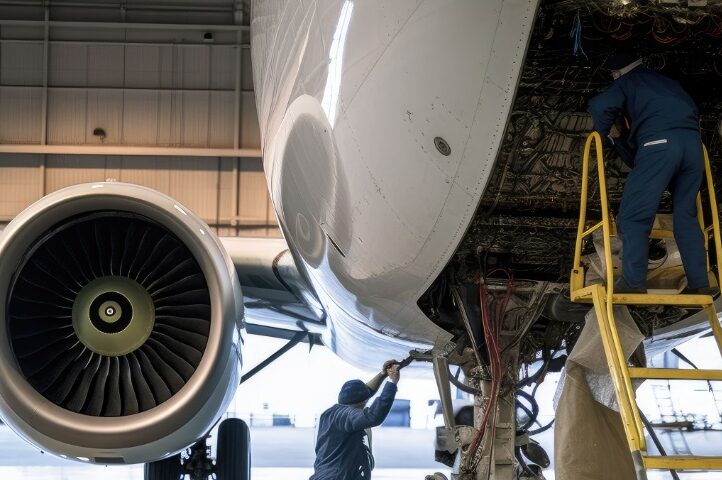
In the world of aviation maintenance, detecting and assessing damage to aircraft structures is crucial for ensuring safety and efficiency. Enter the latest innovation: advanced scanners for dent detection. These cutting-edge tools are transforming how airlines and maintenance crews inspect aircraft, offering unprecedented accuracy and speed.
Key Features of Dent Detection Scanners:
- Non-Contact Inspection: Using laser or optical technology, these scanners can detect dents without physical contact, preserving the aircraft’s surface.
- High Precision: Capable of identifying dents as small as a few millimeters, ensuring no damage goes unnoticed.
- 3D Mapping: Creates detailed 3D models of the aircraft’s surface, allowing for comprehensive analysis.
- Rapid Scanning: Significantly faster than manual inspection methods, reducing aircraft downtime.
- Data Integration: Seamlessly integrates with maintenance software for record-keeping and trend analysis.
Benefits to the Aviation Industry:
- Enhanced Safety: Detects damage that might be missed by visual inspection alone.
- Cost Savings: Reduces inspection time and prevents unnecessary repairs.
- Predictive Maintenance: Helps identify patterns of wear and damage over time.
- Improved Accuracy: Eliminates human error in measurement and assessment.
- Streamlined Workflow: Automates part of the inspection process, allowing technicians to focus on analysis and repair.
As aircraft designs become more complex and the demand for quick turnaround times increases, these scanners are becoming indispensable tools in the aviation maintenance arsenal. They represent a significant leap forward in ensuring the structural integrity of aircraft, ultimately contributing to safer and more efficient air travel.
The adoption of dent detection scanners is a prime example of how technology continues to revolutionize the aviation industry, pushing the boundaries of what’s possible in maintenance and safety.